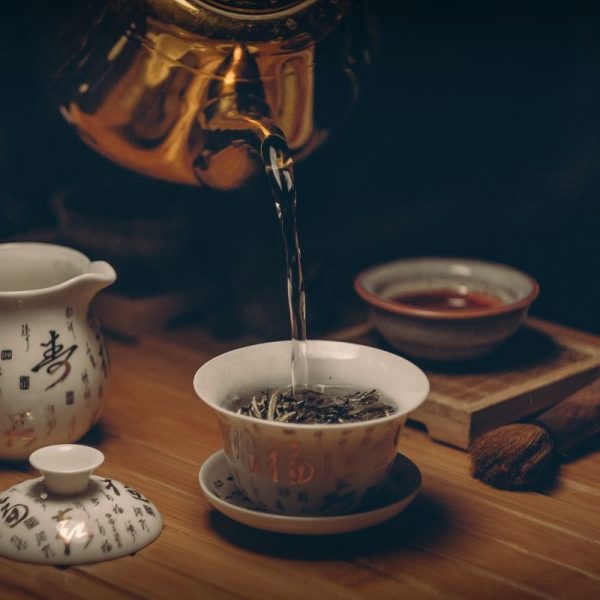
A small tea shop in Dublin sells a rare oolong from Fujian. The owner wants to ship it to buyers in Shanghai and Shenzhen. She copies the tea name from a supplier sheet and places it on a new label. A customer in China points out that the characters are wrong and the name looks like a different tea. The error is small but the buyer loses trust right away. A product that costs a lot to import now carries a label that makes it look careless.
Tea is one of the most language rich products in the world. Every variety has a name that carries history and place and style. A Chinese name may describe a mountain or a legend or the shape of a leaf. When this name travels into another script the sound and the meaning must both survive. The reader should see a clear and elegant name and not a puzzle.
The same care applies to the whole shop. Product pages and tasting notes and brewing guides all need words that feel right to the buyer. A shopper who cannot tell how hot the water should be or how long to steep will not buy a second time. Clear instructions are part of the taste of the product. Many tea shops lose repeat orders because the guide on the pack is vague or badly translated. A short and friendly guide that uses the right words can turn a first sale into a loyal customer.
Selling abroad also adds rules. Labels must show ingredients and weight and origin in the language of the market. Health claims are limited in many countries and a careless translation can turn a friendly phrase into a legal problem. A careful team checks both the words and the rules. This is true for tea and for herbal blends and for any product that people drink. It also helps to know which words are allowed in each market before the artwork is made.
This guide explains how tea brands and shops can work with Chinese text in a way that builds trust. It covers names and labels and descriptions and the checks that prevent costly mistakes. It suits small online stores and large importers alike.
Names and Labels Need Care
Many tea names come from Chinese and use sounds that English readers cannot guess. A team that offers Chinese translation services can check the characters and the romanised spelling and the meaning in one pass. This avoids mismatches between the label and the website and the invoice. It also helps when a customs office compares the documents at the border. Importers who use the same spelling everywhere clear their goods faster and receive fewer questions from agents.
Keep a master list of tea names. Write the characters and the pinyin and the English name side by side. Add the region and the harvest and the style such as oolong or pu erh or white tea. Share the list with every designer and writer who touches the product. One source of truth is faster than fixing errors after printing.
Descriptions That Taste Right
Tea description translation is a delicate craft. Words such as brisk or malty or vegetal or floral do not always have a close match in another language. A good translator finds phrases that give the same impression to a new reader. They also avoid terms that sound odd or even unpleasant in the target culture. A word that suggests earthy depth in English can feel like dirt in another language.
Tea brands selling to Chinese-speaking customers know that the product story matters as much as the leaf, because buyers want to understand origin, grade and brewing method in their own language. The same care applies to contracts, packaging and websites for any company working with Chinese partners. Specialist chinese translation services adapt names, script and tone for readers of simplified or traditional characters, which protects both the brand and the relationship.
Brewing guides need exact numbers. Water temperature and leaf weight and steeping time should be shown in units the buyer knows. Chinese buyers may expect several short infusions while English buyers often expect one long cup. Explain both ways if your tea suits them. A small diagram of the steps can make the guide easier to read in any language. Clear steps help shoppers enjoy the product and leave happy reviews.
Trusted Sources and Next Steps
For a wider view on language and markets read our article on Chinese translation text compression which explains why Chinese text often takes less space than English. This matters for labels and boxes where space is tight. For background on the tea trade the UK Tea Association shares news and facts about the industry.
For ethical sourcing and fair prices the Fairtrade Foundation explains what certification means for growers. If your tea carries such a mark make sure the claim is translated exactly as the certifier requires. A loose version can create trouble with the owner of the mark and with local regulators.
A Simple Plan for Export
Start with your five best sellers. Translate the names and the labels and the web pages first. Ask a native reader in your target market to review them and give honest feedback. Fix any problem before you print a large batch. Keep notes of each comment so that the same issue never returns in a later season. A single round of review costs little compared with a reprint.
Think about packaging as part of the message. Colours and symbols carry meaning in every culture. White can suggest purity in one market and mourning in another. Ask your translator or a local consultant to flag any risk. Keep the design flexible so that the text boxes can grow or shrink when a language needs more or less space.
Tea buyers care about quality and honesty. Words that are correct and warm tell them that the brand respects its leaf and its customer. Build your glossary and reuse it across every product and every market. Each new launch will then be faster and your shop will feel the same in every language.